Author/ Rashid Ali*
Image Source: https://www.bhaskar.com
Image Source: https://www.bhaskar.com
Pre-sowing irrigation, sometimes called pre-irrigation or pre-planting irrigation, is one of the most important preparation measures that operate a good germination rate and crop establishment. Although farmers frequently concentrate on irrigation during crop growth, the water used prior to planting lays the groundwork for the productivity of the entire season.
🌱 What is Pre-Sowing Irrigation?
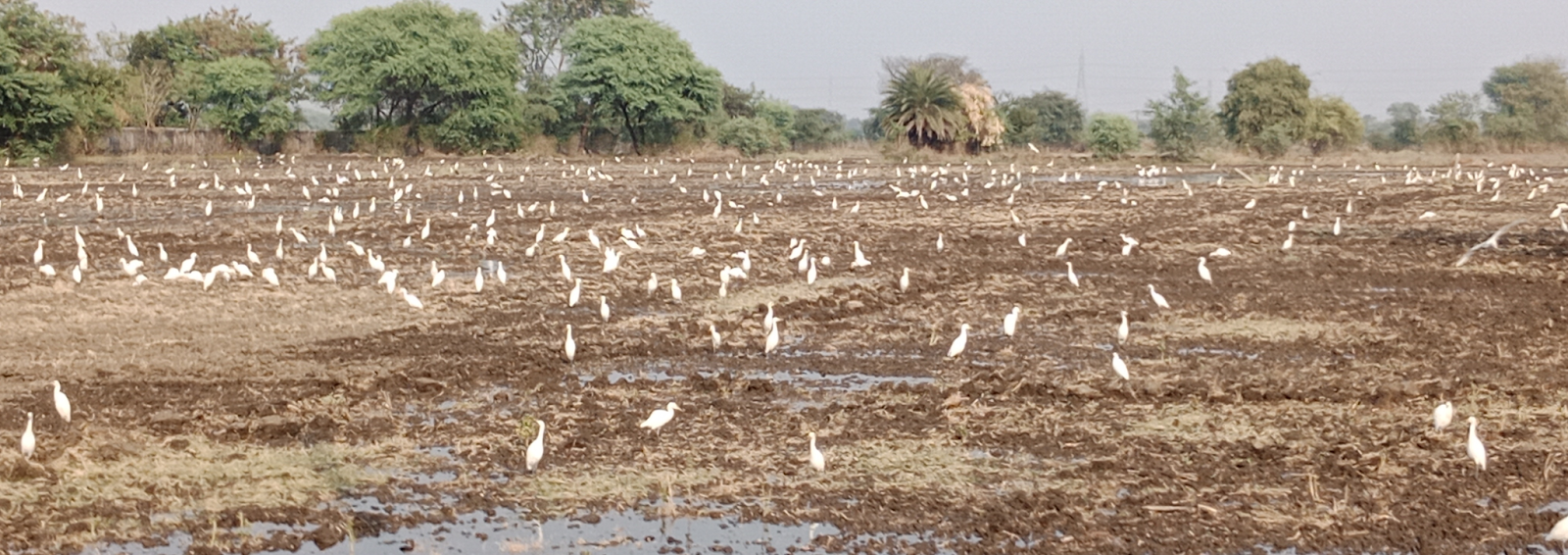
Applying water to the field before seeding is known as pre-sowing irrigation. Its primary goal is to provide a favourable seedbed for germination by providing moisture and loosening the soil. This method facilitates consistent seed sprouting, dissolves nutrients, and activates soil microorganisms.
🌟 Why is Pre-Sowing Irrigation Important?
- Ensures Proper Seed Germination: Moisture is necessary for seeds to emerge from dormancy. Plant population maintenance depends on rapid and consistent germination, which is ensured by enough water in the root zone.
- Improves Soil Workability: Hard, dry soil is difficult to prepare and plowing. Pre-sowing irrigation helps with bed formation, tillage, and land preparation by relaxing the soil.
- Activates Soil Microbial Activity: Soil becomes more fertile when moisture increases microbial populations, which help break down organic matter and release essential nutrients.
- Helps in Weed Seed Germination for Early Control: Pre-irrigation promotes the growth of weed seeds, which can then be eliminated during the last stage of land preparation. In the early stages of crop development, this minimizes weed competition.
- Maintains Soil Moisture Balance: When seedlings are sown, especially in arid areas, it increases soil capacity and ensures sufficient moisture availability.
- Enhances Fertilizer Efficiency: Because wet soil increases the availability and solubility of nutrients, emerging plants are better able to absorb fertilizer and produce more.
- Reduces Crop Establishment Failure: Pre-sowing irrigation is a lifesaver in rainfed areas or delayed monsoon settings, securing crop establishment even in situations where rainfall is unpredictable.
🌾 Crops Where Pre-Sowing Irrigation is Most Beneficial
Wheat
Chickpea/Gram
Mustard
Cotton
Groundnut
Vegetables (Onion, Tomato, Potato, etc.)
Pulses and millets
💧 Methods of Pre-Sowing Irrigation
Flood irrigation – Traditional method for irrigation and suitable for large fields.
Sprinkler irrigation – Uniform wetting and saving water for further use.
Drip irrigation – Ideal for vegetables, and plantation crops to ensure precise moisture.
Furrow irrigation – Common in row crops like cotton, maize, etc.
🔍 Best Practices
Irrigation should be done 7-15 days before sowing depending on soil type.
Allow soil to reach suitable moisture before tillage.
Break surface crust with light ploughing after irrigation.
Avoid waterlogging at pre-sowing irrigation because optimum moisture is key to crop success.
🌿 Conclusion
Irrigation before planting/sowing is an important part of a good agricultural practice which is maintaining good soil conditions, encouraging germination, lowering weed stress, and making nutrients more available to crops and producing more yield. By carefully using water before planting/sowing, farmers can get more yield, save resources, and promote sustainable farming.